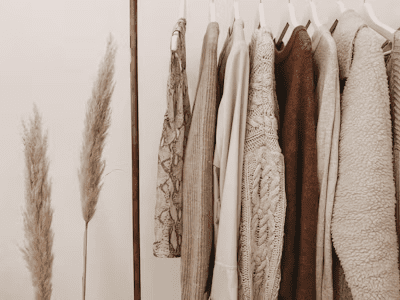
One of the most common questions our experts receive is: “How often should I dry clean my clothes?” It’s a deceptively simple question — the honest answer depends entirely on the garment type, how frequently it’s worn, and the environment you live in. In Dubai, that environment adds some unique challenges most laundry guides simply overlook.
Over-cleaning can cause fibres to break down faster. Under-cleaning allows oils, sweat residue, and airborne dust to settle deep into the fabric, eventually becoming nearly impossible to remove. The right frequency is a sweet spot that keeps garments looking pristine while extending their lifespan.
Why Frequency Matters for Your Clothes
Every time a garment goes through the dry cleaning process, the solvents and mechanical action exert mild stress on the fibres. Silk, wool, and cashmere are particularly susceptible to repeated processing. However, leaving these fabrics uncleaned for too long allows body oils to oxidise, creating yellow stains and a permanently musty odour that even professional cleaning cannot fully reverse.
Important: Storing garments with invisible stains — especially those from body oils or food — can cause permanent discolouration over months. Always dry clean before long-term storage.
The golden rule is to clean garments as infrequently as they need it — based on visible soil, odour, or the manufacturer’s care label — rather than on a rigid calendar schedule. That said, most fabrics follow predictable patterns based on how close they sit to the body and how hard you work in them.
Garment-by-Garment Frequency Guide
Use this guide as your reference. It’s built on our team’s combined decades of garment care experience in the UAE market, factoring in Dubai’s heat and humidity.
Suits & blazers — every 3–4 wears. Structured fabrics absorb body oils slowly, and over-cleaning distorts their shape.
Evening gowns & formal dresses — after each wear. Perfume, deodorant, and sweat set quickly on delicate silks and chiffon.
Winter coats & overcoats — once or twice a season. They’re rarely worn in Dubai, and heavy outer fabrics repel soil better.
Silk blouses & shirts — after every 1–2 wears. Silk absorbs perspiration and body oils immediately.
Woollen trousers & skirts — every 3–5 wears. Wool is naturally odour-resistant but holds dust particles.
Cashmere jumpers — every 3–5 wears. Fragile fibres require gentle solvent, not machine wash.
Wedding dresses — immediately after the event. Champagne, food, and makeup stains set fast, and delay causes permanent damage.
Ties & pocket squares — only when visibly soiled. They rarely contact skin directly, so spot-clean first when possible.
Leather & suede jackets — once a year. Excessive cleaning strips natural oils from leather, so condition regularly instead.
“The fabric that costs the most to replace is almost always the one people clean the least. We see preventable damage every week that could have been avoided with one timely visit.” — Ahmed Al-Rashidi, Senior Garment Specialist, Radiant Laundry Dubai
Dubai-Specific Factors to Consider
Dubai’s climate creates two conditions that accelerate the need for professional cleaning: extreme heat and high indoor AC usage. These two forces work against each other on fabric.
Intense perspiration from outdoor heat. Even five minutes walking outside in summer produces significant sweat. This saturates collar areas, underarms, and waistbands with salt and protein, which become corrosive to fabric if left untreated. Increase cleaning frequency by one wear during summer months (May–September).
Fine desert dust & sandstorm residue. Microscopic silica particles from desert sand lodge in fabric weaves and act as tiny abrasives every time you move. Suits and coats worn outdoors during a shamal should be cleaned sooner than the standard schedule suggests.
AC condensation & indoor humidity spikes. Moving rapidly between 45°C outdoor heat and 18°C indoor AC creates condensation on fabric fibres — creating the perfect environment for mildew if garments are stored even slightly damp. Air garments properly before wardrobe storage.
Oud & perfume residue. Many residents in the UAE wear heavy fragrances. These are oil-based and penetrate fabric deeply, leaving residues that home washing cannot fully remove. Professional dry cleaning with appropriate solvents is the only effective solution.
Signs Your Clothes Need Dry Cleaning Now
Rather than counting wears, train yourself to look for these indicators. Any one of them should prompt an immediate visit or pickup booking: visible stains or ring marks around collars and cuffs, a persistent odour that doesn’t air out overnight, fabric feeling stiff or heavy in certain areas, loss of shape or drape around the shoulders of suits, or a slight colour dulling where the garment once had sheen.
Collars and cuffs are the most reliable indicators. If these areas look noticeably darker than the rest of the garment, embedded soil has already set. The sooner you act, the better the restoration result.
How to Extend Time Between Cleans
Responsible garment care between dry cleaning visits significantly reduces total cost and fabric wear. Our experts swear by these habits:
Steam instead of wash. A quality handheld steamer kills odour-causing bacteria, relaxes wrinkles, and refreshes fabric without solvent stress. Use one after every wear before hanging.
Rotate your wardrobe. Wearing the same suit three days in a row compresses fibres and embeds oils faster than three separate weekly wears. Give garments 24–48 hours to breathe between outings.
Use quality hangers. Thin wire hangers distort shoulder shape over time. Wide, contoured wooden hangers maintain the original silhouette and prevent collar-stretch.
Spot-treat immediately. Many stains — especially food and beverage — can be blotted (never rubbed) with a clean, dry cloth within seconds of occurrence. Blot from the outside in to prevent spreading. Then bring the garment to us as soon as possible.
How Radiant Laundry Handles Your Garments
Every garment that enters our facility is individually assessed by a trained specialist before processing begins. We identify fabric type, care label instructions, and any existing damage or stains — then determine the precise solvent blend and cycle length appropriate for that item alone.
We use only hydrocarbon solvents — gentler on fabric than traditional perchloroethylene while achieving superior results on oils and protein-based soils. Our pressing and finishing is done by hand for structured garments to preserve original tailoring. Your clothes are returned folded or on a hanger in our signature protective covers within 24–48 hours.